Conformal Cooling

Traditional channels hit a wall with complex moulds. 
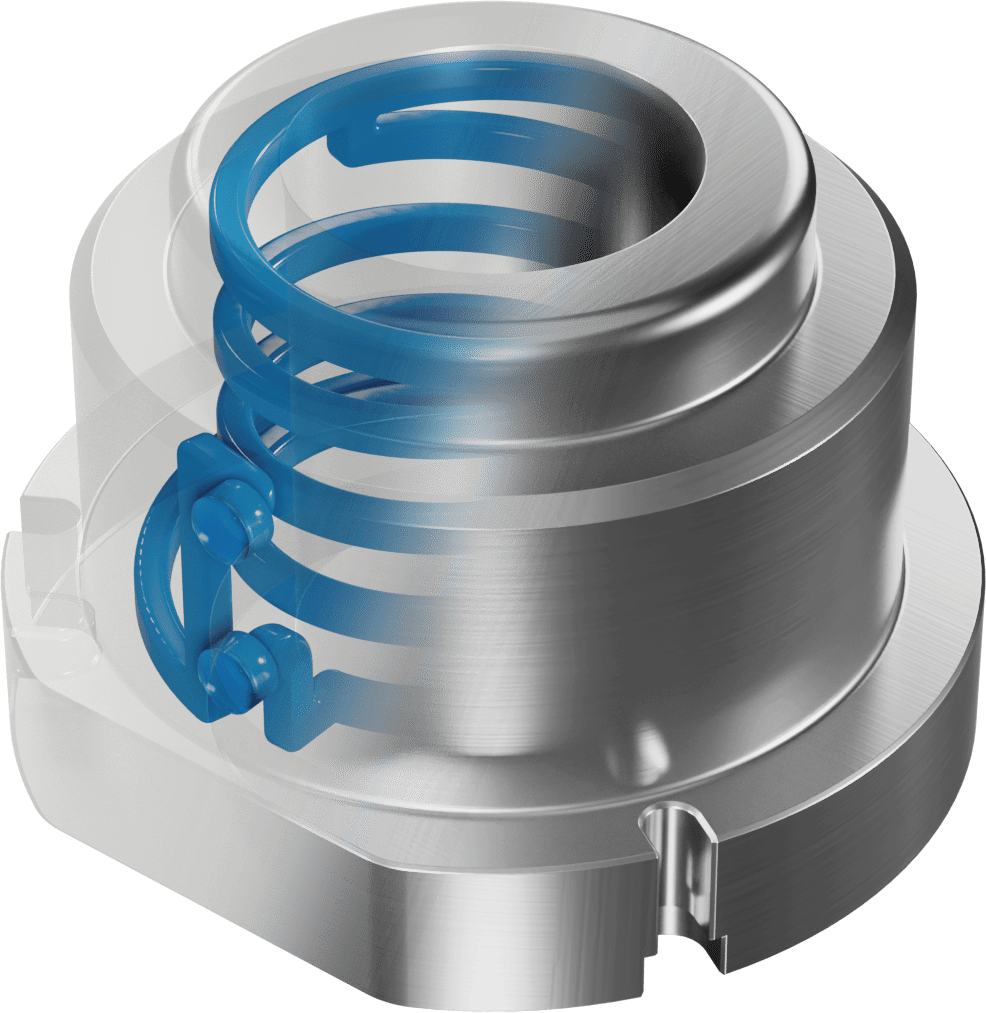
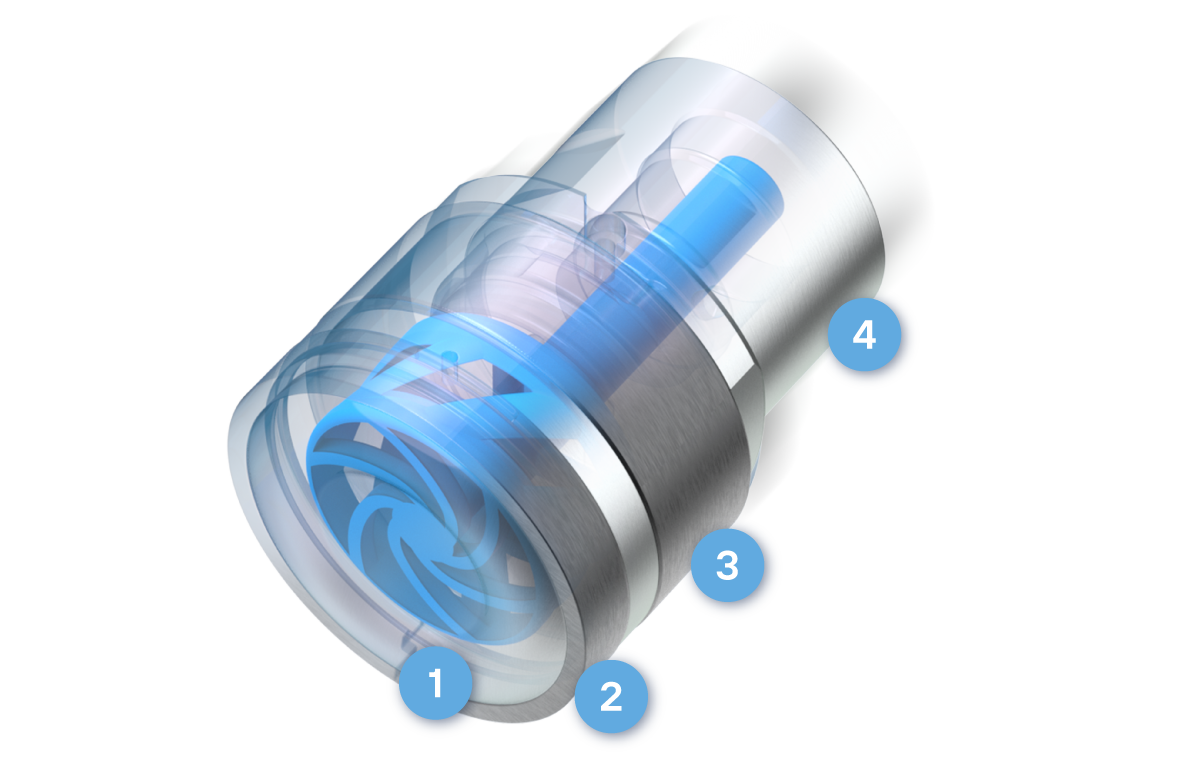
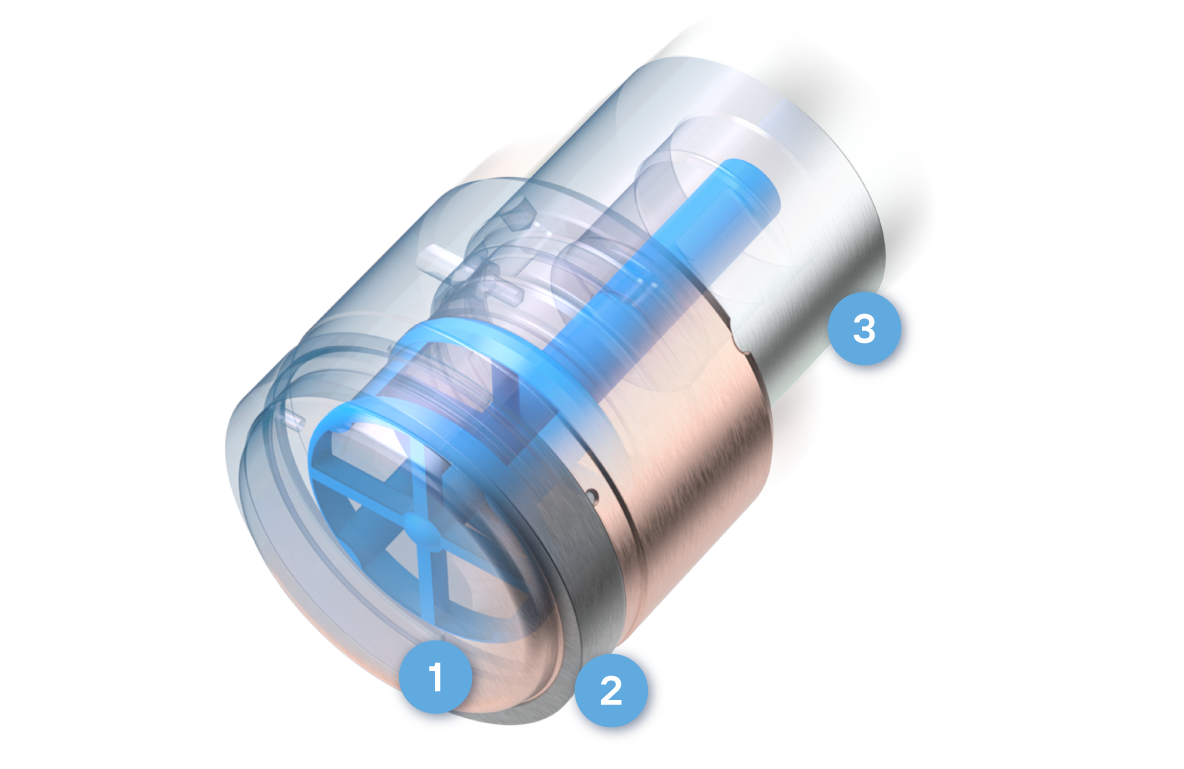
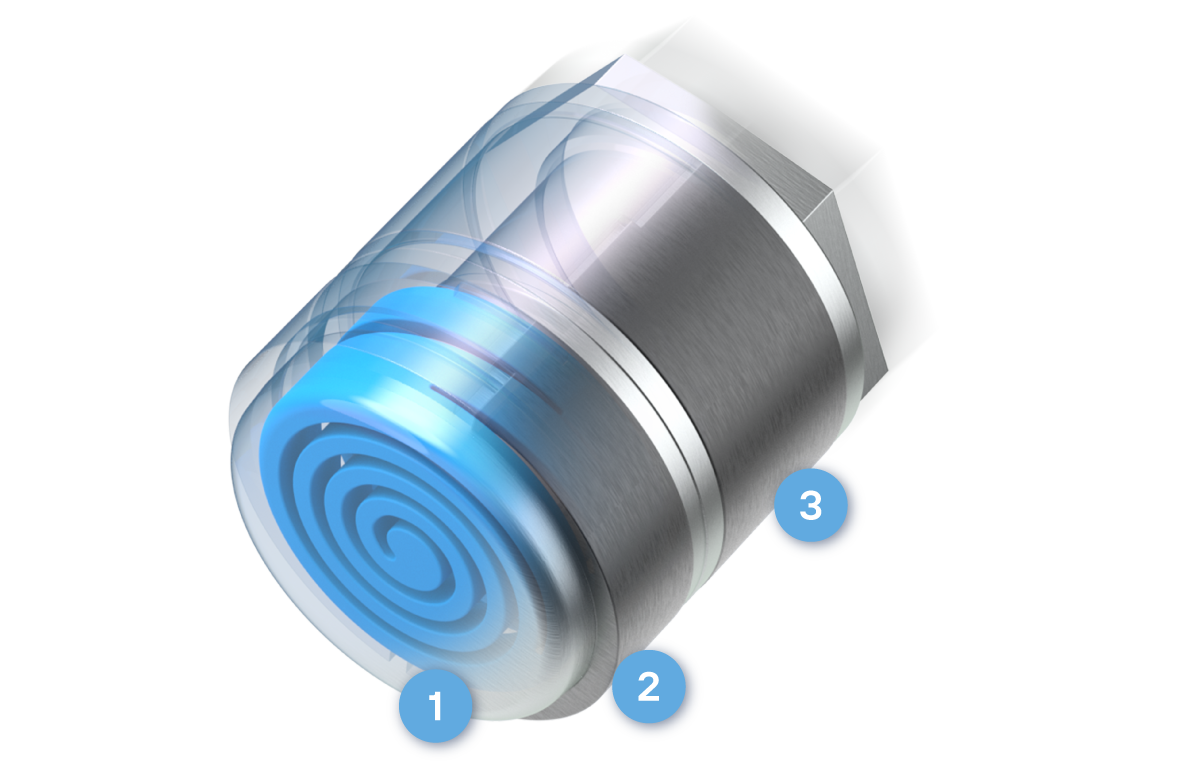
Conformal design enables optimized cooling for any shape.

Standard cooling channels are typically straight or drilled and are often unsuitable for detailed and demanding part geometries.  They can’t follow the twists and contours of modern moulds. When cooling can’t follow the geometry, it leads to uneven heat removal, longer cycle times – and ultimately, part distortion.

Conformal design solves this. 

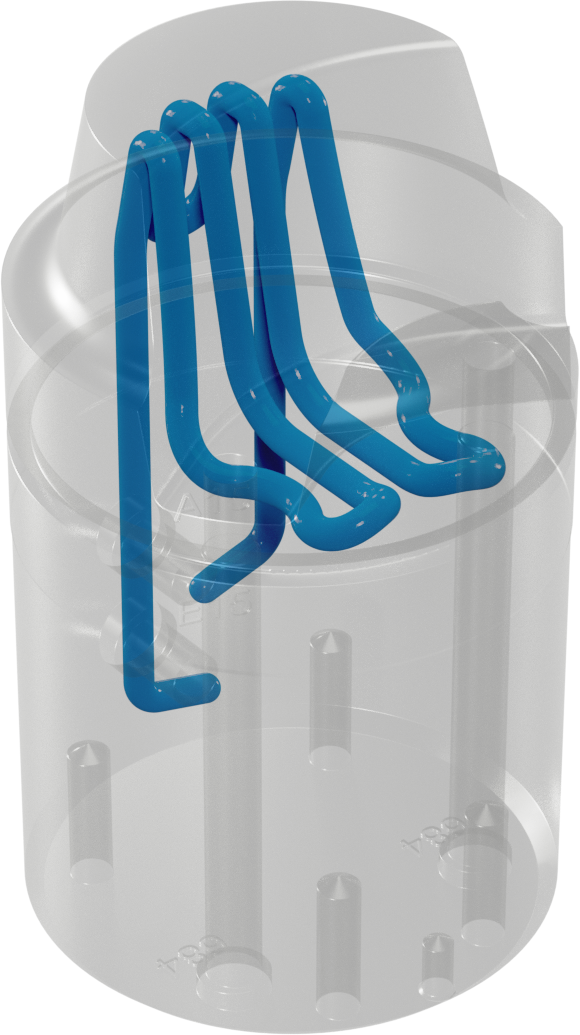
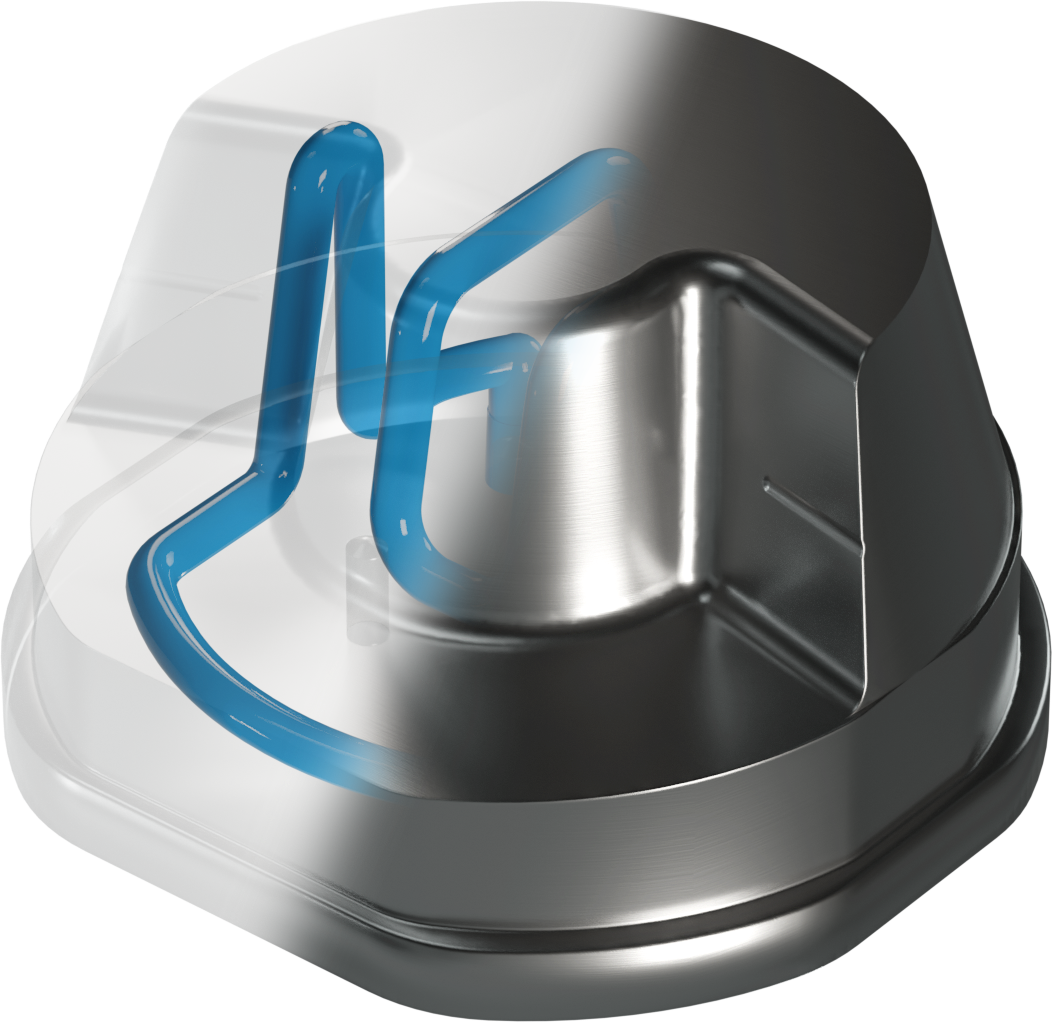
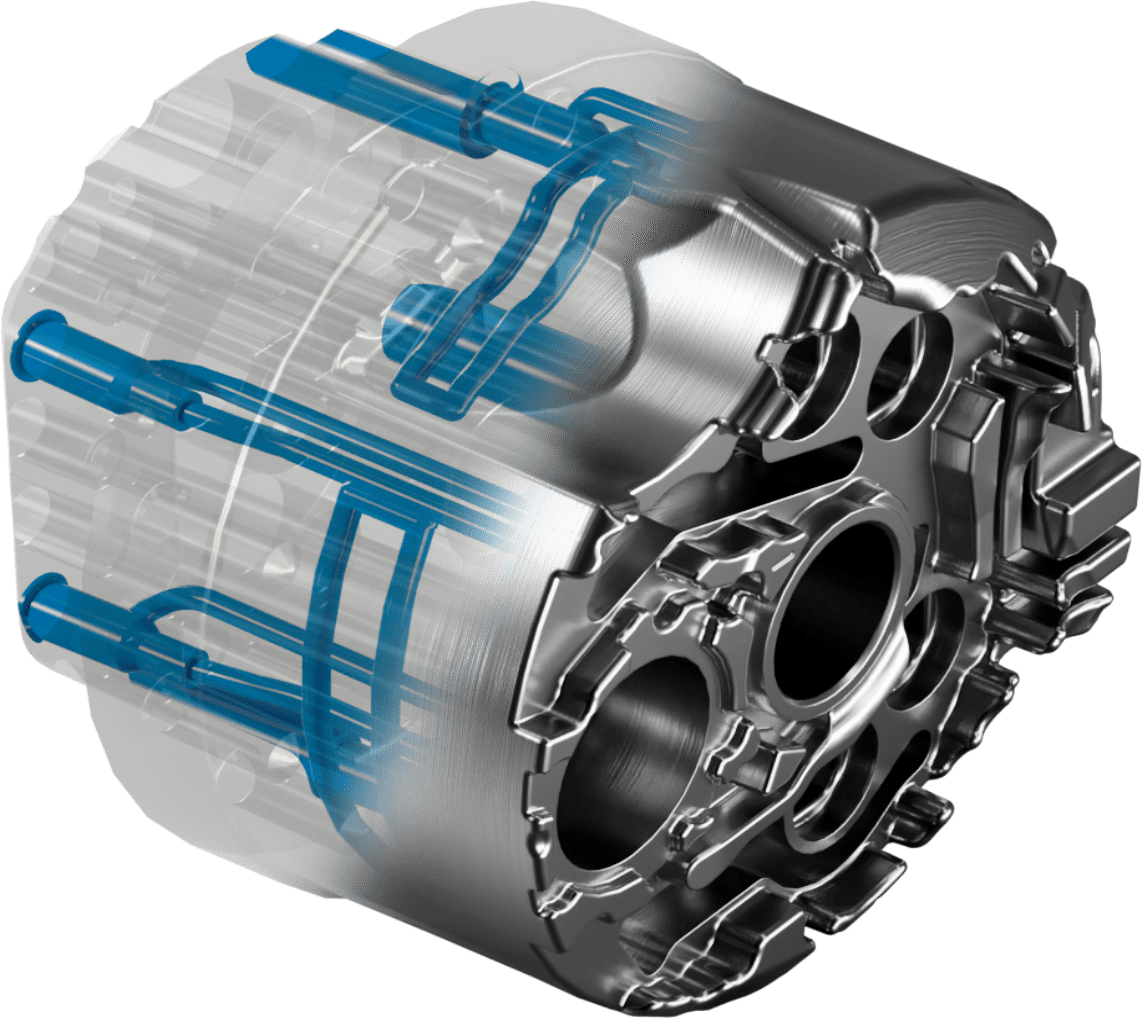
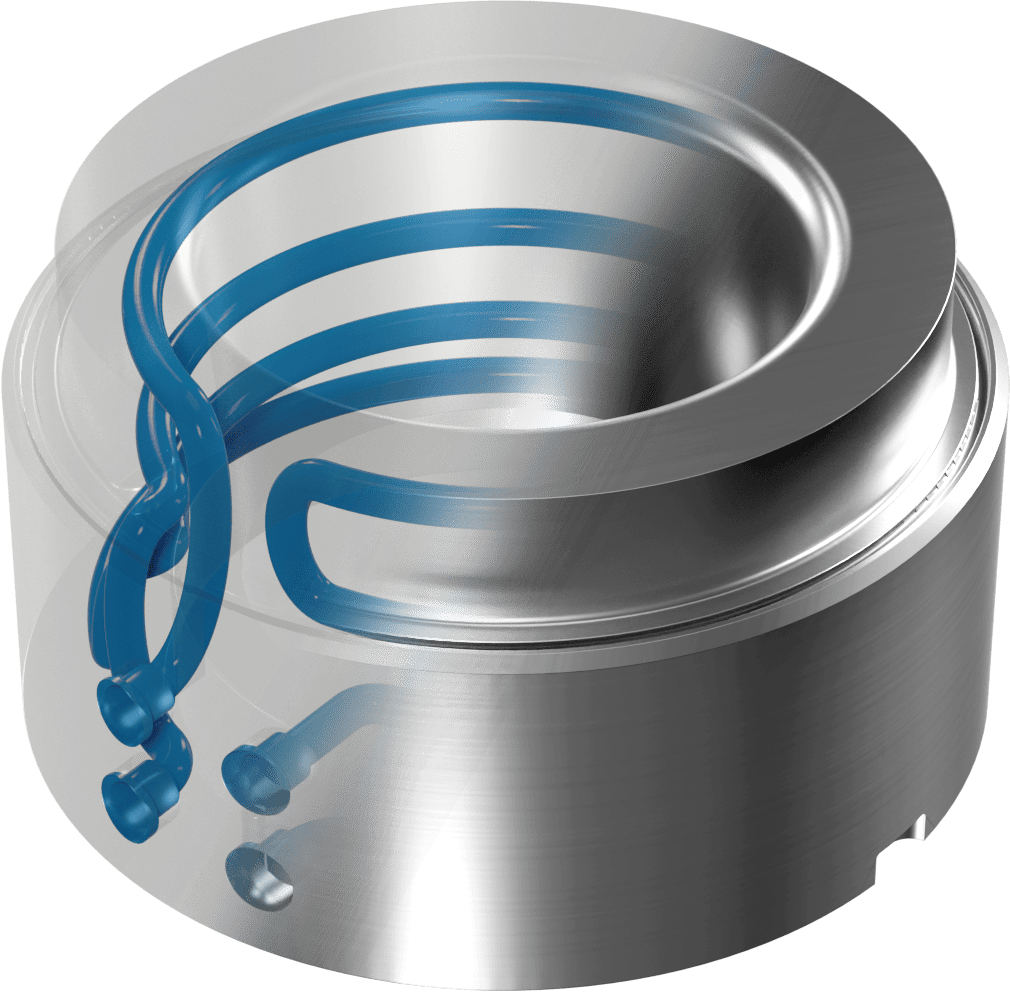
By using additive manufacturing, HTS creates custom-shaped cooling channels that follow the 3D contours of your die cavity – placing cooling exactly where it’s needed, just below the surface.

Traditional cooling works great — until it doesn’t.

Straight channels can’t follow the twists and contours of modern moulds. That’s where conformal design changes the game.

Standard cooling channels are often unsuitable for detailed and demanding part geometries.  When cooling can’t follow the geometry, it leads to uneven heat removal, localised hot spots, longer cycle times — and ultimately, part distortion.

Conformal design solves this. 

By using additive manufacturing, HTS creates custom-shaped cooling channels that follow the 3D contours of your die cavity – placing cooling exactly where it’s needed, just below the surface.

Advantages of Conformal Cooling

CHANNELS FREELY DESIGNED

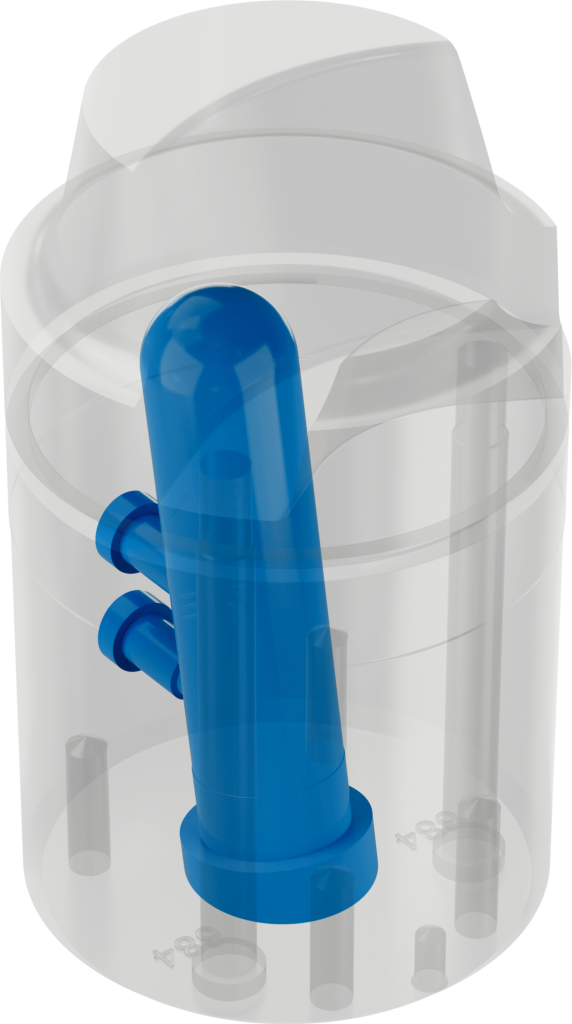
Cooling channels are freely designed based on the cooling/heating requirements of the product, without being constrained by the limitations of conventional drilling methods.

Conventional channels
iTherm® channels

MORE UNIFORM HEAT DISTRIBUTION

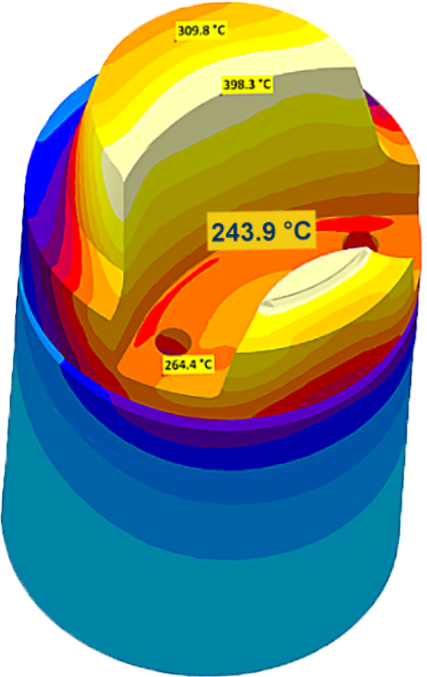
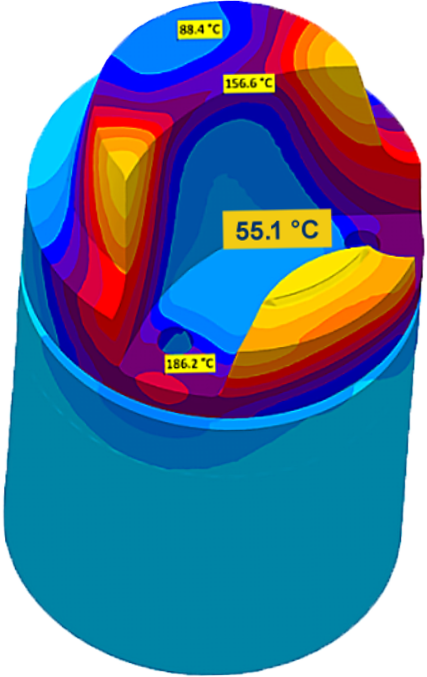
Conformally cooled components enable more even heat distribution over the working  surface, resulting in more uniform and rapid cooling.

Conventional channels
iTherm® channels

ZERO LEAKAGE

Conformally cooled components usually feature just two cooling water connectors (IN and OUT), ensuring a leak-proof design.

Up to 25% cycle
time reduction

Up to 25% cycle time reduction

Conformal cooling reduces cycle time by enhancing heat dissipation, leading to faster and more uniform cooling of dies. This results in quicker solidification of materials, thereby shortening the overall production cycle.

Up to 200% component lifespan extension

Up to 200% component lifespan extension

Shorter spraying time and consequently reduced thermal loads and thermally induced stress increase the number of shots before the crack initiation and propagation, hence prolonging the component lifespan.

Porosity elimination

Porosity elimination

Customized channel design and uniform temperature distribution across the surface enable improvement of cooling power in critical hot spot areas, decreasing the porosity in the cast.