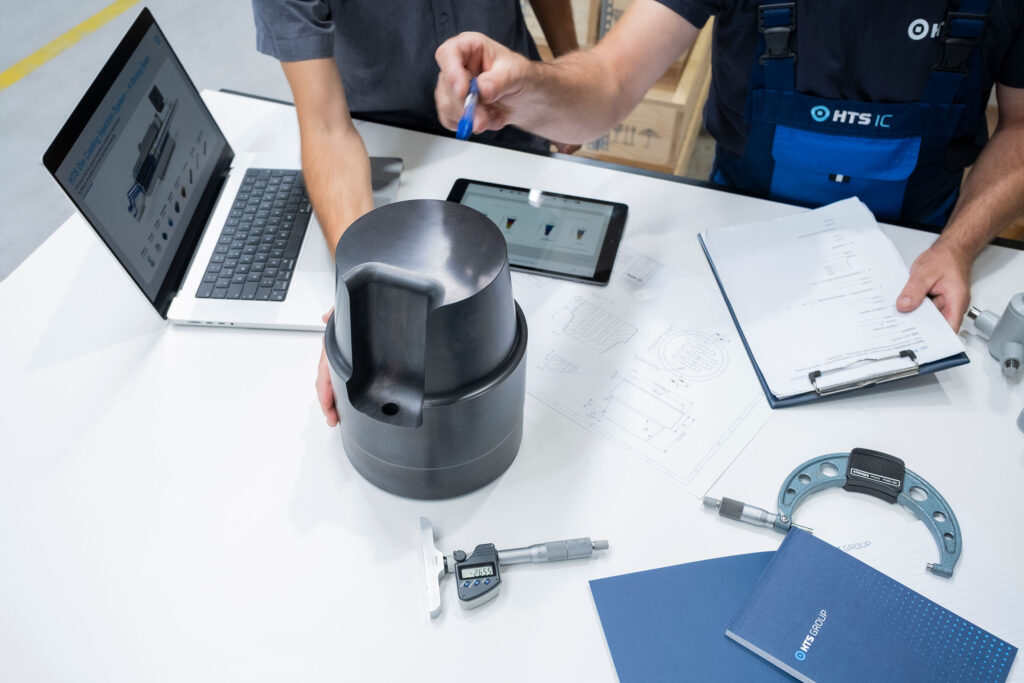
From your first sketch to a fully optimized, production-ready part, we provide full support. Our engineering team brings decades of extensive die casting experience, having completed 300+ projects across automotive, aerospace, and industrial applications.
We combine deep knowledge of materials, thermal dynamics, and advanced manufacturing to design, simulate, test, and produce high-performance components.
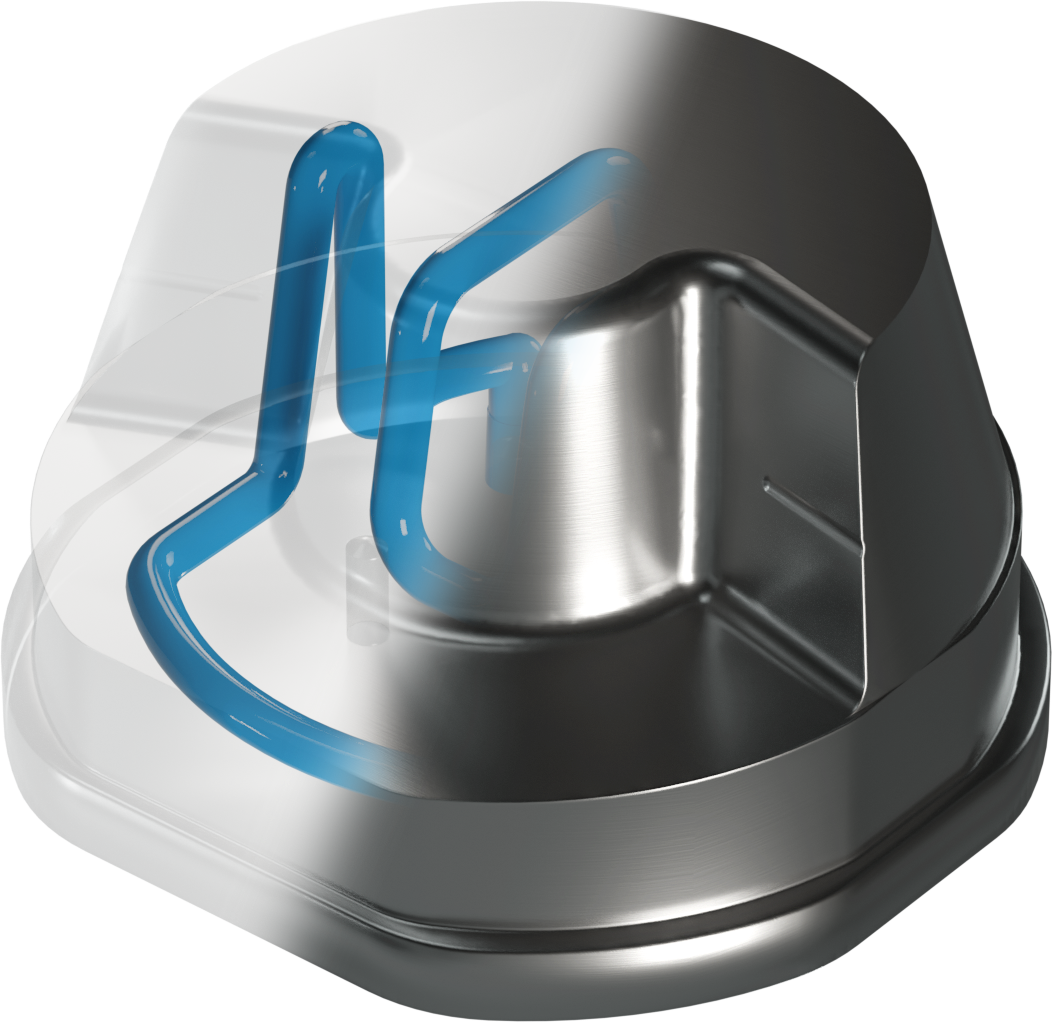
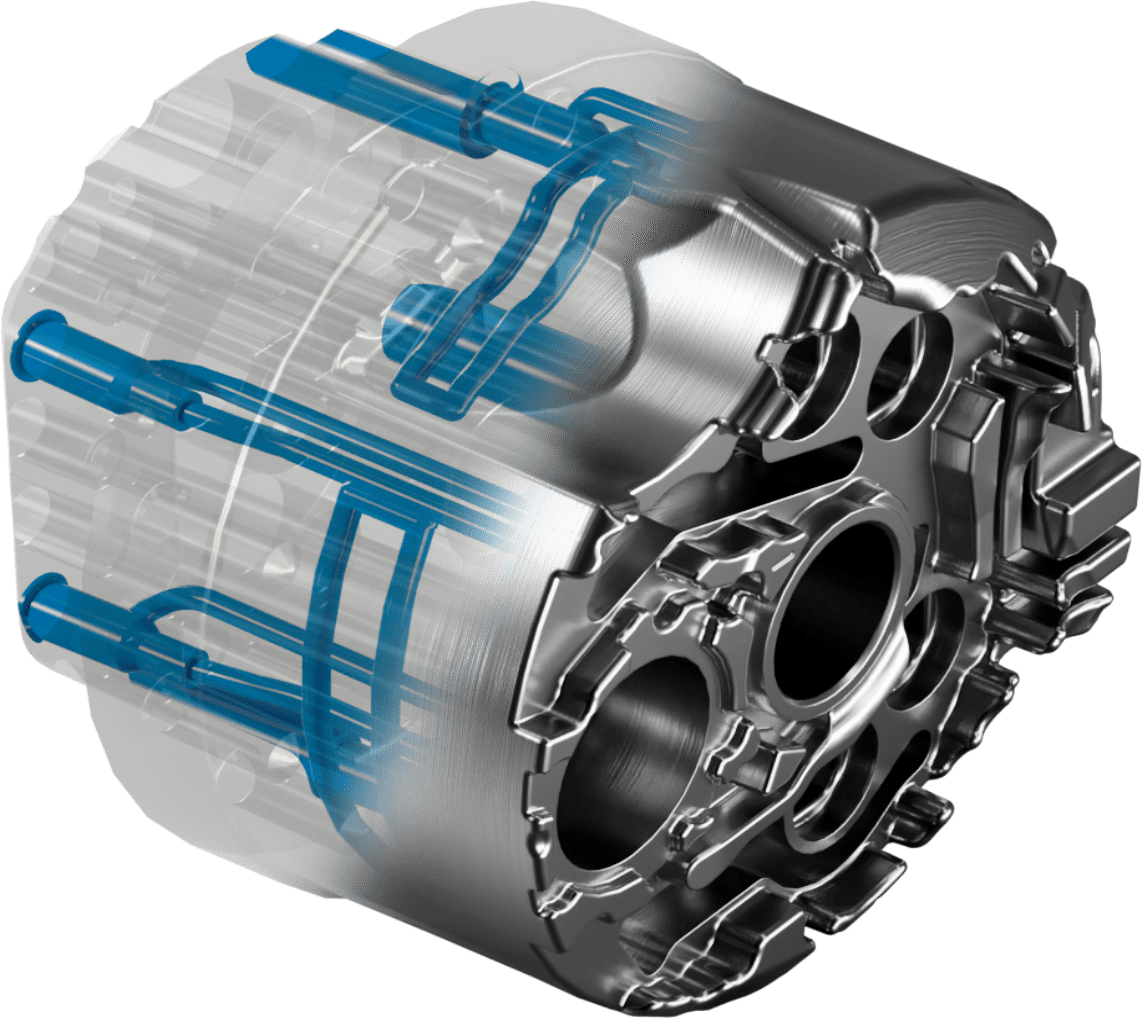
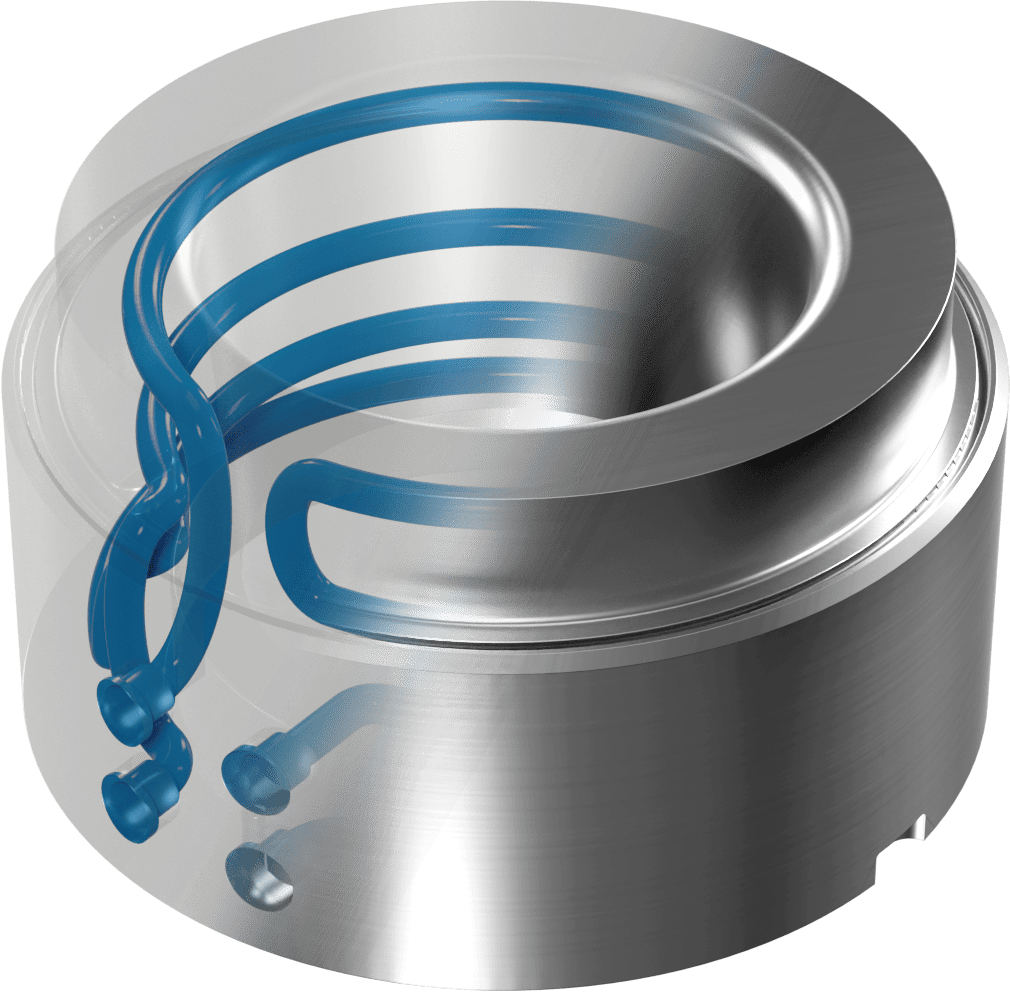
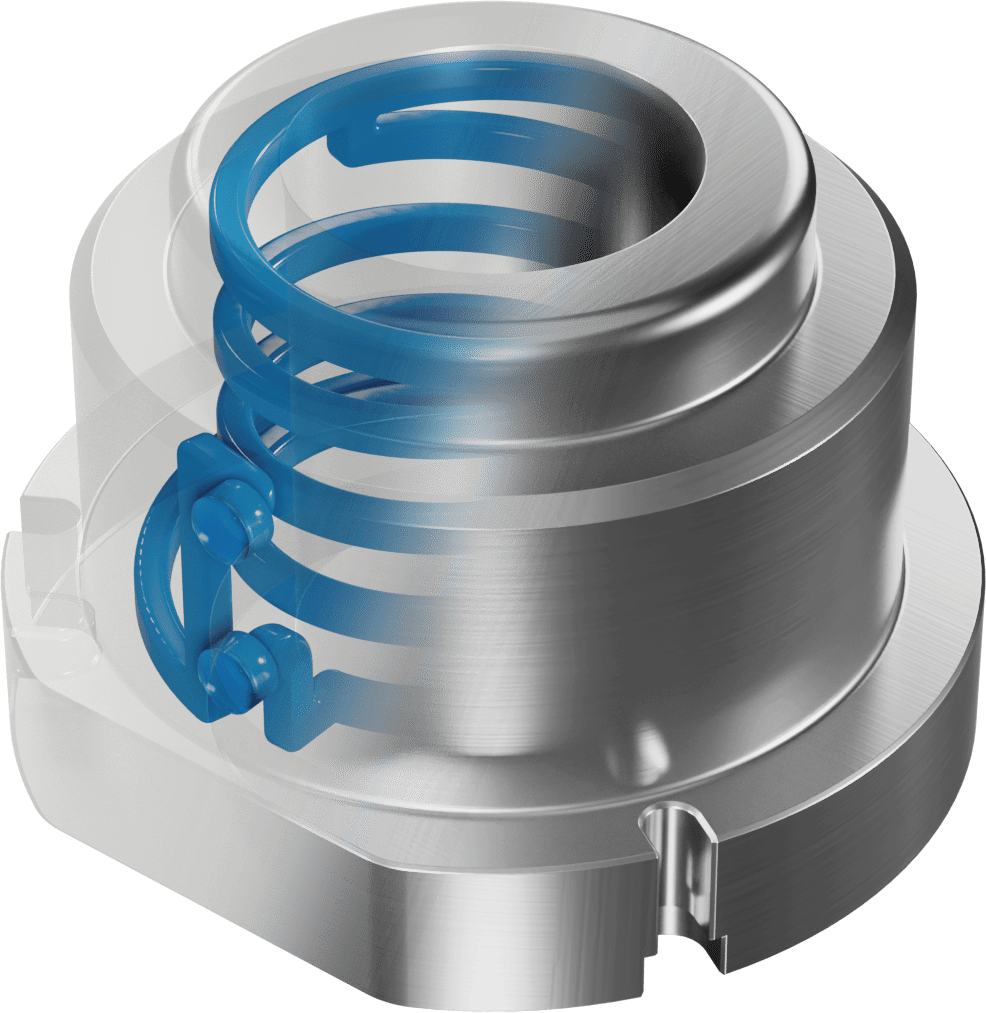
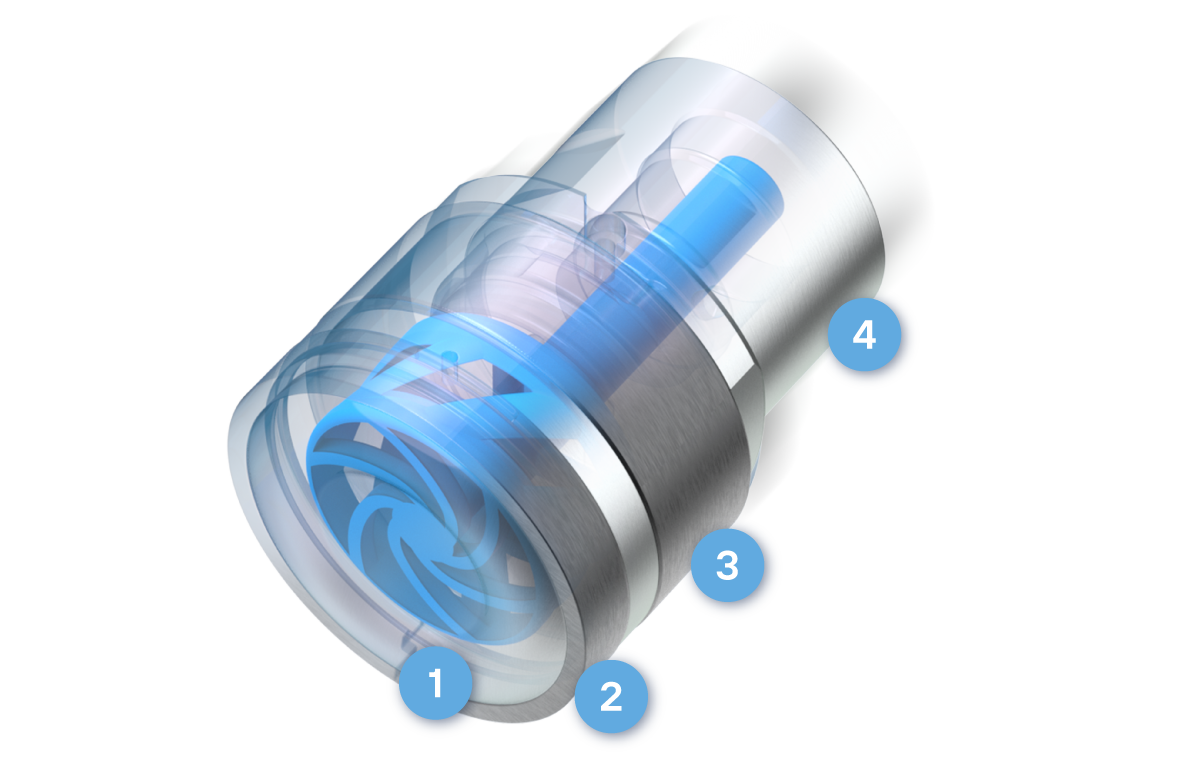
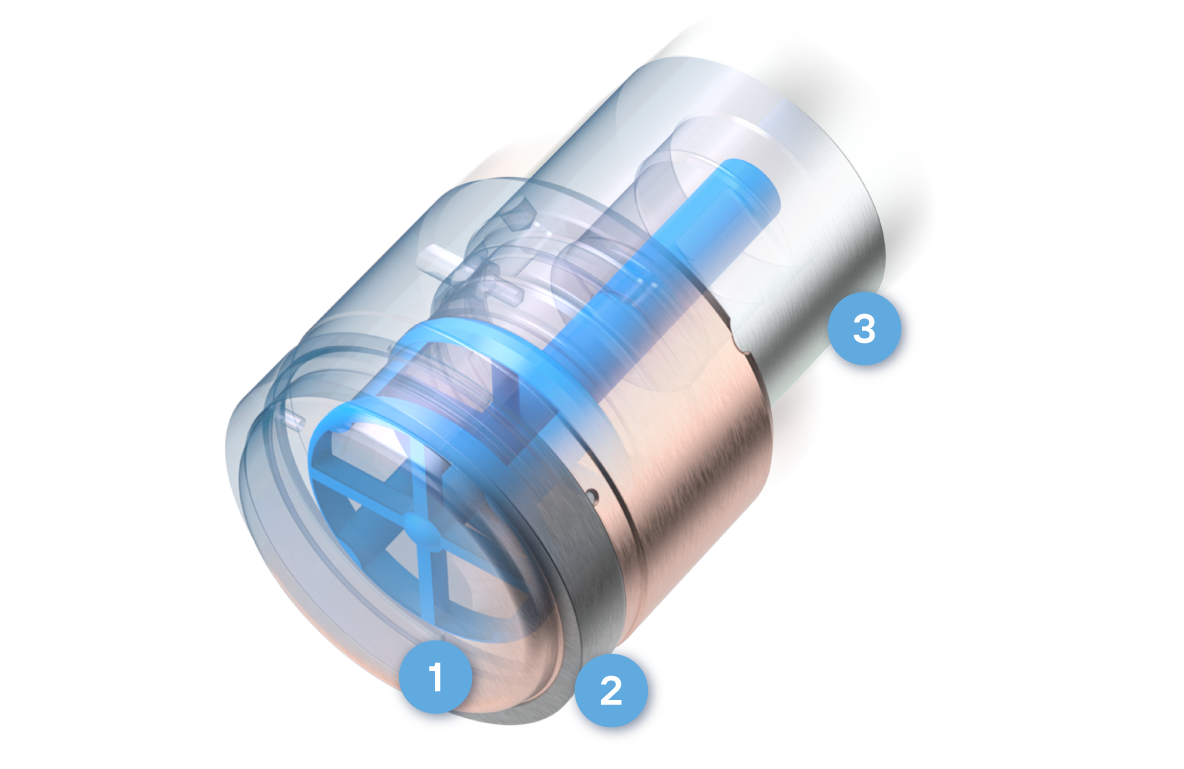
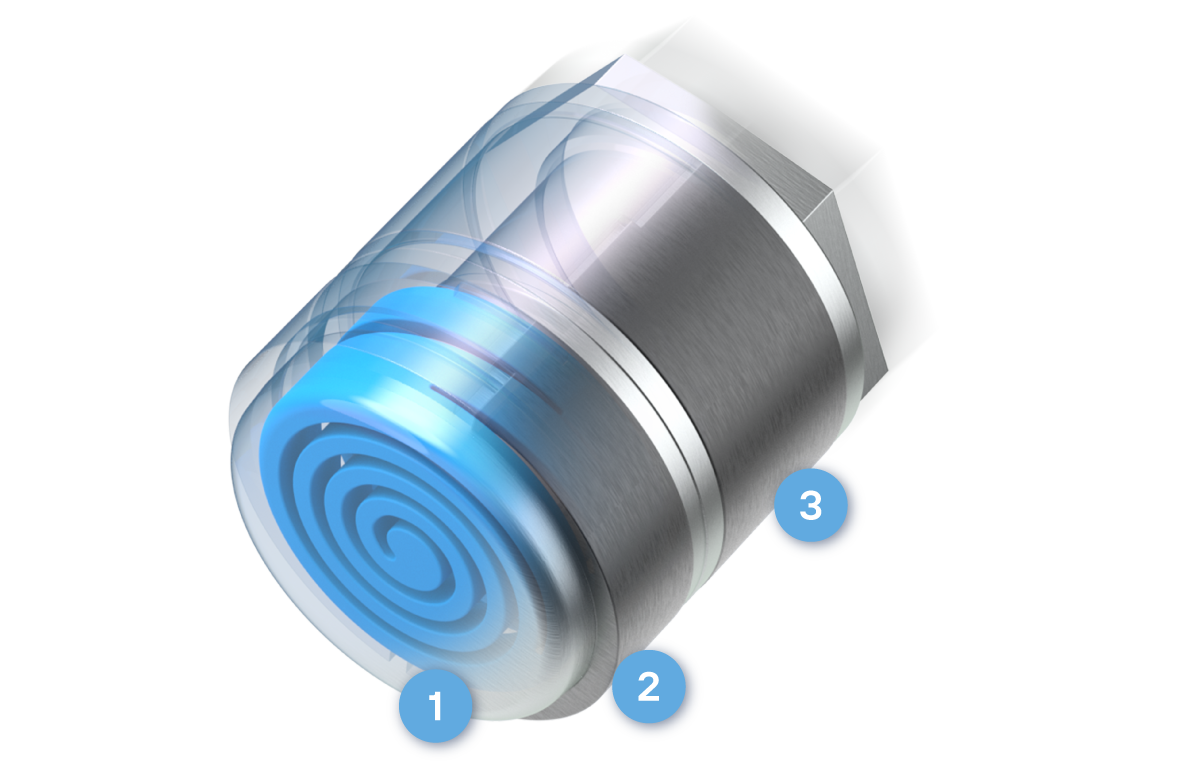
With 15 years of experience in thermal design and conformal cooling, we were among the first to manufacture topology-optimised fluid patterns, pushing the boundaries of thermal management innovation.
From challenge definition to a fully production-ready part, we provide end-to-end support entirely in-house. By controlling every step – from design and simulation to testing and manufacturing – we optimize processes across the entire development cycle.
We collaborate with the customer to define the key technical challenges – thermal loads, pressure conditions, flow characteristics – and set the functional and material targets.
From there, we develop initial design concepts and select the optimal solution to move forward.
Using tools like Finite Element Analysis (Abaqus), CFD (OpenFOAM), and topology optimization (nTop), we simulate real-world conditions to optimize structure, thermal behavior, and part reliability.
We use generative design, thermal topology optimization, and implicit modeling (including lattices and gyroids) to produce geometries that maximize performance.
What does this mean for you?
Every design is engineered for maximum performance and manufacturability.
Improved thermal management greatly increases the expected lifespan of the component.
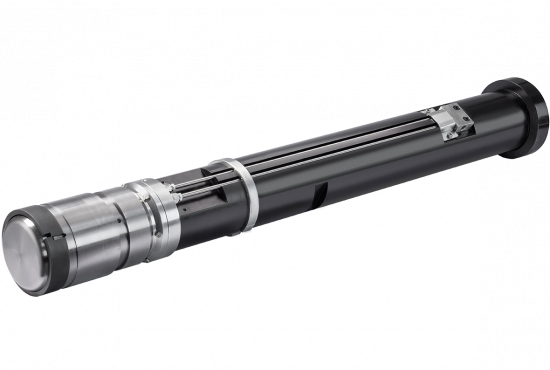
In the original component, the first cracks typically appear after only a few thousand shots, mainly due to high tensile stresses generated during the spraying phase. These stresses result from rapid temperature changes that create thermal shock within the material.
With the improved spraying cycle, the temperature fluctuations during this phase are significantly reduced, decreasing the thermal shock and associated stress levels. Consequently, the lifespan of the shot block is notably extended, ensuring more stable performance and reduced maintenance requirements.
Precise thermal control through targeted local cooling is essential for managing solidification and avoiding shrinkage porosity
Using advanced simulation tools we engineer die components that provide focused heat dissipation in preidentified hot-spot regions, directly influencing where and how the shrinkage forms.
As a result shrinkage porosity is shifted deeper inside the casting, forming better wall solidification and away from machined or visually critical surfaces where it could cause functional or cosmetic defects. Overall porosity volume is often significantly reduced, due to a more uniform solidification profile across the critical part cross-section.
One conversation could unlock months of production gains.
We use four in-house additive manufacturing technologies – each suited to a different kind of challenge, performance demand, and precision level.
Have a question or need more information? Leave us a message, and we’ll get back to you as soon as possible.