THE CUSTOMER
ZML industries
HTS SOLUTION
Replacing conventional shot sleeve with innoSleeve
THE CHALLENGE
Extending the shot sleeve lifetime
OUTCOME
38% longer shot sleeve lifetime
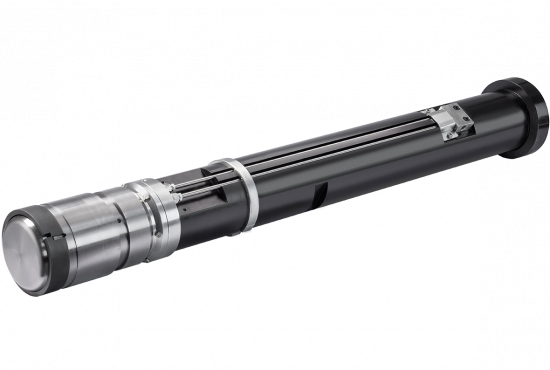
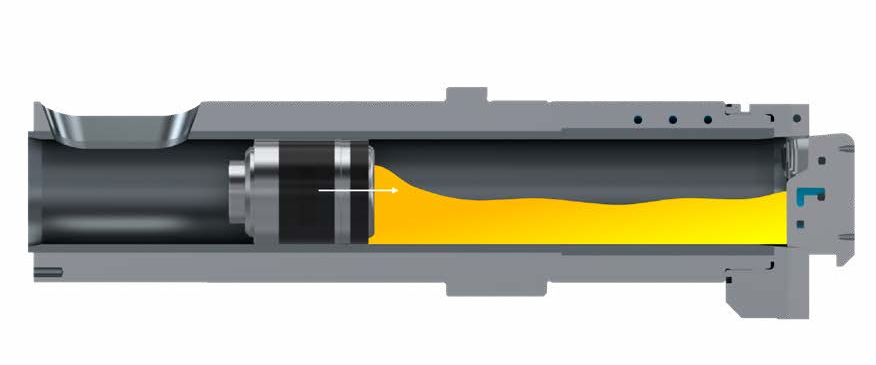
In high pressure die casting (HPDC), the main function of the plunger is to inject molten alloy from the shot sleeve to fill the mold cavity under high pressure. This ensures that the alloy completely fills the cavity and accurately takes on its shape.
During the casting process, there are several steps that exert different functional requirements on the plunger:
Step 1:
Fill in the alloy – the plunger is in the rear position and does not move.
Plunger role/function
Sealing the shot sleeve: to prevent aluminum from leaking backward
Step 2 – phase 1:
Pre-filling – the plunger moves forward at a slow speed until the the plunger has passed the pour hole and the runner is filled up to the gate.
Plunger role/function
- Sealing the shot sleeve: to prevent aluminum from leaking backward
- Ensuring smoth plunger movement at low speeds: to avoid the stick-slip effect
- Allowing air to espace
Step 2 – phase 2:
Mold filling – the plunger moves forward at a rapid speed until the cavity is fully filled.
Plunger role/function
- Sealing the shot sleeve: to prevent aluminum from leaking backward
- Good sliding effect of the plunger at high speeds: to reduce wear
Step 2 – phase 3:
Holding pressure – high static pressure, also known as solid-ification pressure, is applied to compress the trapped air and fill the shrinkage porosity/holes.
Plunger role/function
- Stability of the plunger to withstand high pressures
- Cooling effect to accelerate the solidification of the biscuit
Step 3:
Mold opening with part removal – plunger pushes the biscuit out of the sleeve as the mold opens
Plunger role/function
Cooling effect of the plunger: to accelerate the solidifcation of the biscuit
Step 4:
Spraying
Plunger role/function
Sealing the shot sleeve: to prevent the entry of spray medium (especially water)
Step 5:
Plunger retraction
Plunger role/function
Good sliding effect of the plunger at low speeds
Plunger functional requirements
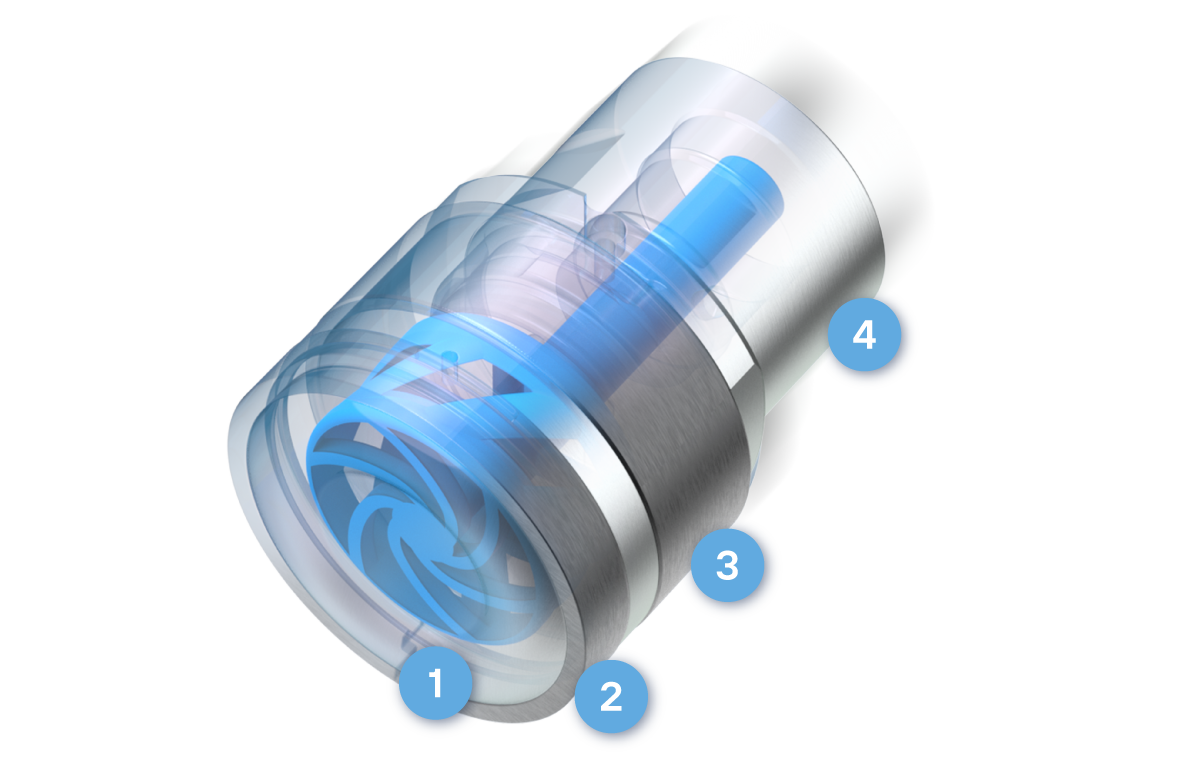
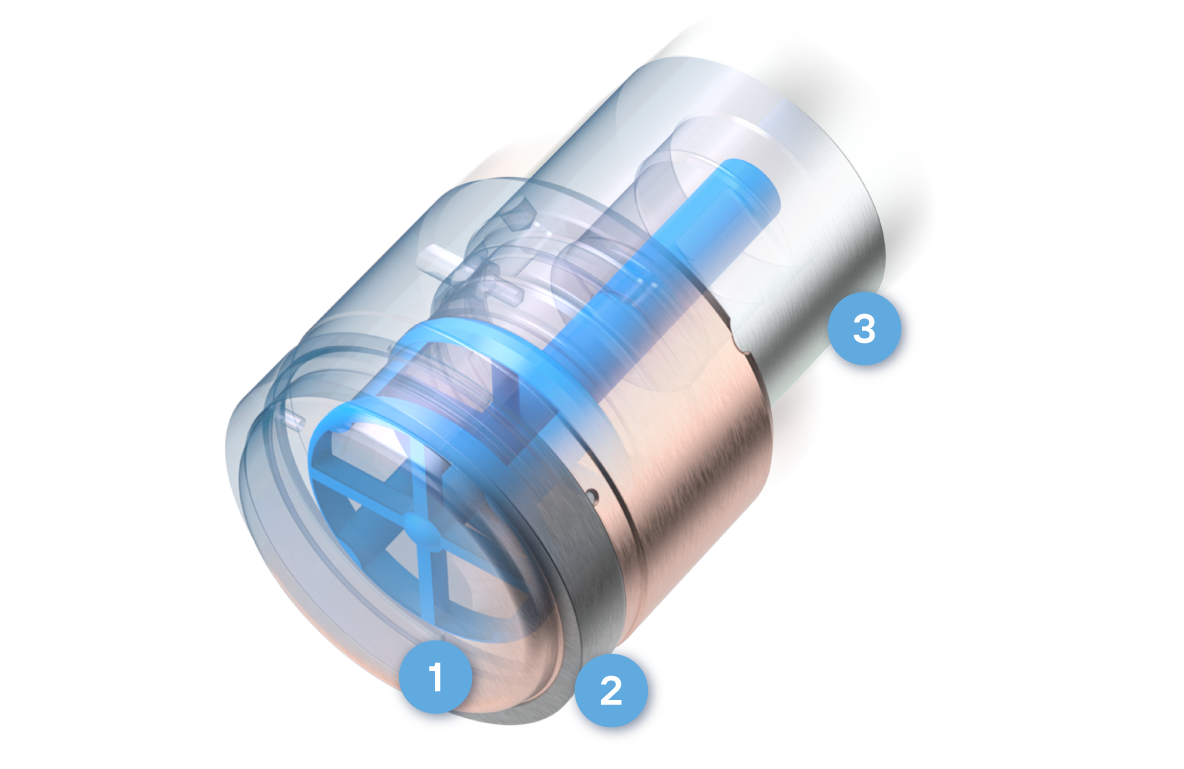
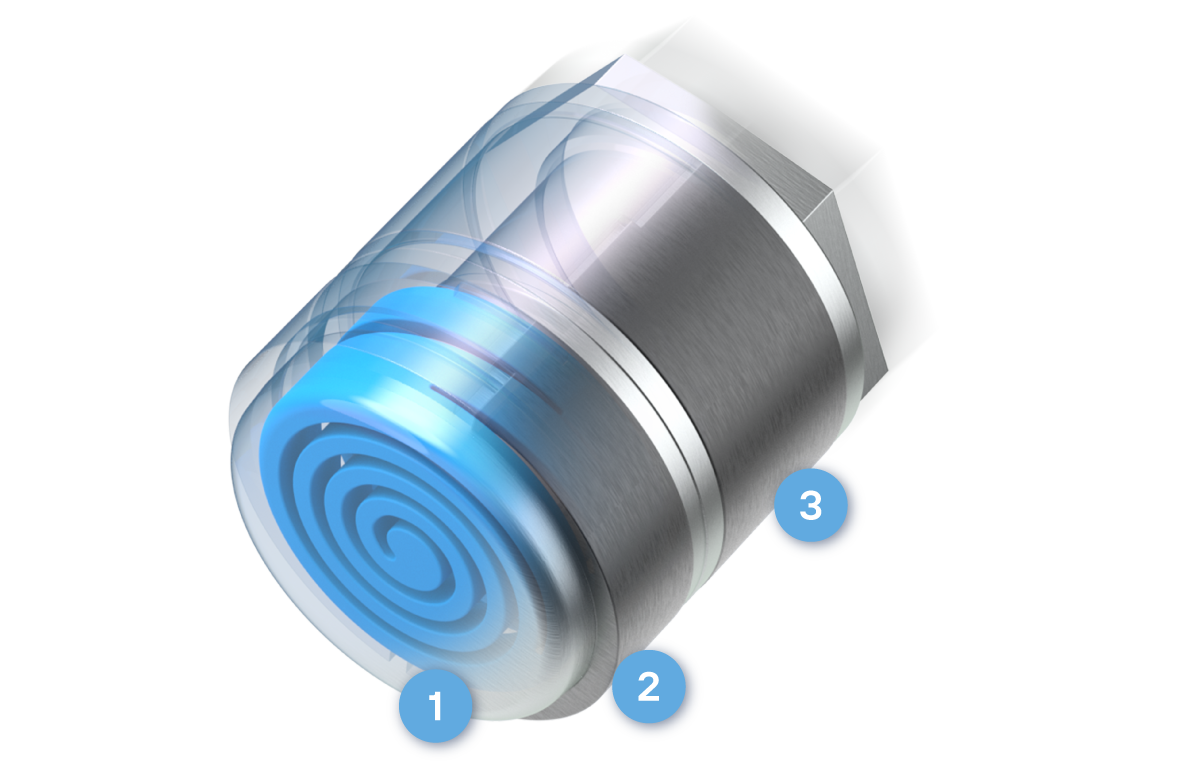
1. SLEEVE SEALING
The plunger provides a seal in the shot sleeve and prevents molten alloy from flowing back into the shot sleeve during injection. This ensures that the alloy completely fills the cavity and accurately takes on its shape.
2. GOOD GLIDING EFFECT
In order to ensure optimal flow dynamics during mold filling, the speed and pressure of the plunger must be precisely maintained. This is necessary to minimize turbulence, pre-filling or air pockets and to reduce the likelihood of defects such as porosity or flaking. Stick-slip effects can negatively impact the plunger’s performance.
3. ALLOWING AIR ESCAPE
In phase 1 (pre-filling), the goal is to push the air in the sleeve out without mixing it into the melt. Therefore, it is beneficial for the plunger to seal against the melt but allow the air (due to its significantly lower viscosity) to escape.
4. STABILITY OF THE PLUNGER
In phase 3 (holding pressure), a considerable force is applied to the plunger. This helps reduce porosity defects and ensures that the casting retains its desired shape and structural integrity.
5. COOLING EFFECT OF THE PLUNGER
The secondary task of a plunger is to cool and solidify the runner system as quickly as possible. In many cases (thin-walled components), this can shorten the cycle time. A well-functioning plunger then contributes to faster cycle times, improves productivity and thus reduces manufacturing costs.